
This special article is a reflection from Maggie Deininger Berris (Counseling & Art Therapy Graduate Student, Ursuline College) about the influence of St. Paul’s on her personal and professional life. There is also an opportunity to volunteer for a research study to help advance the field of art therapy.
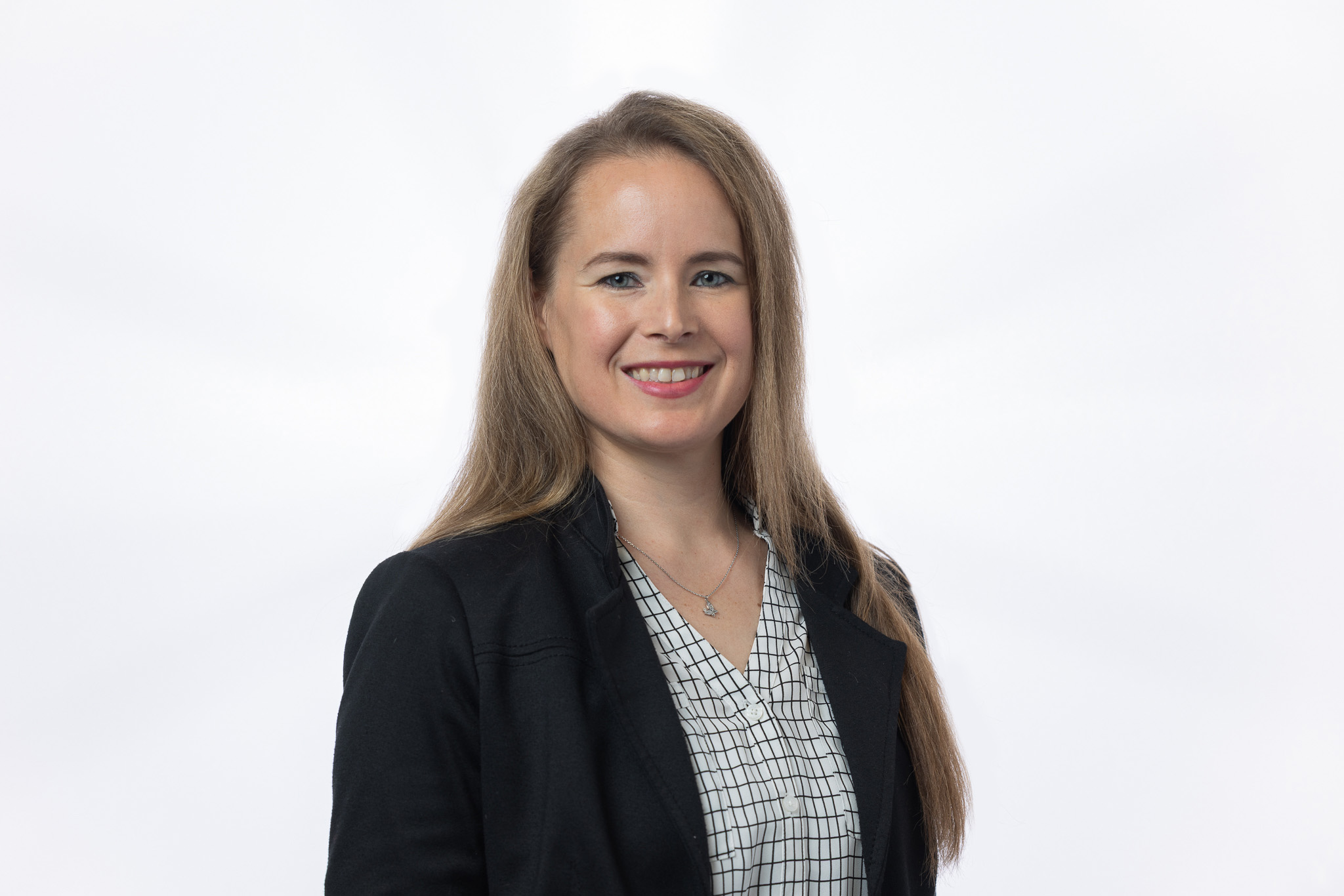
St. Paul’s has never been just a building to me. It has been a constant presence woven through my childhood, teenage years, family history, and the person I have become today. Some of my earliest memories live there. My mother (Lee Deininger) worked at St. Paul’s when I was young. I spent countless days running through the halls, folding paper airplanes, and launching them from the balcony in Tucker Hall down toward Nancy Olton’s desk below. From the very beginning, St. Paul’s was a place where I felt known, welcome, and free to be myself.
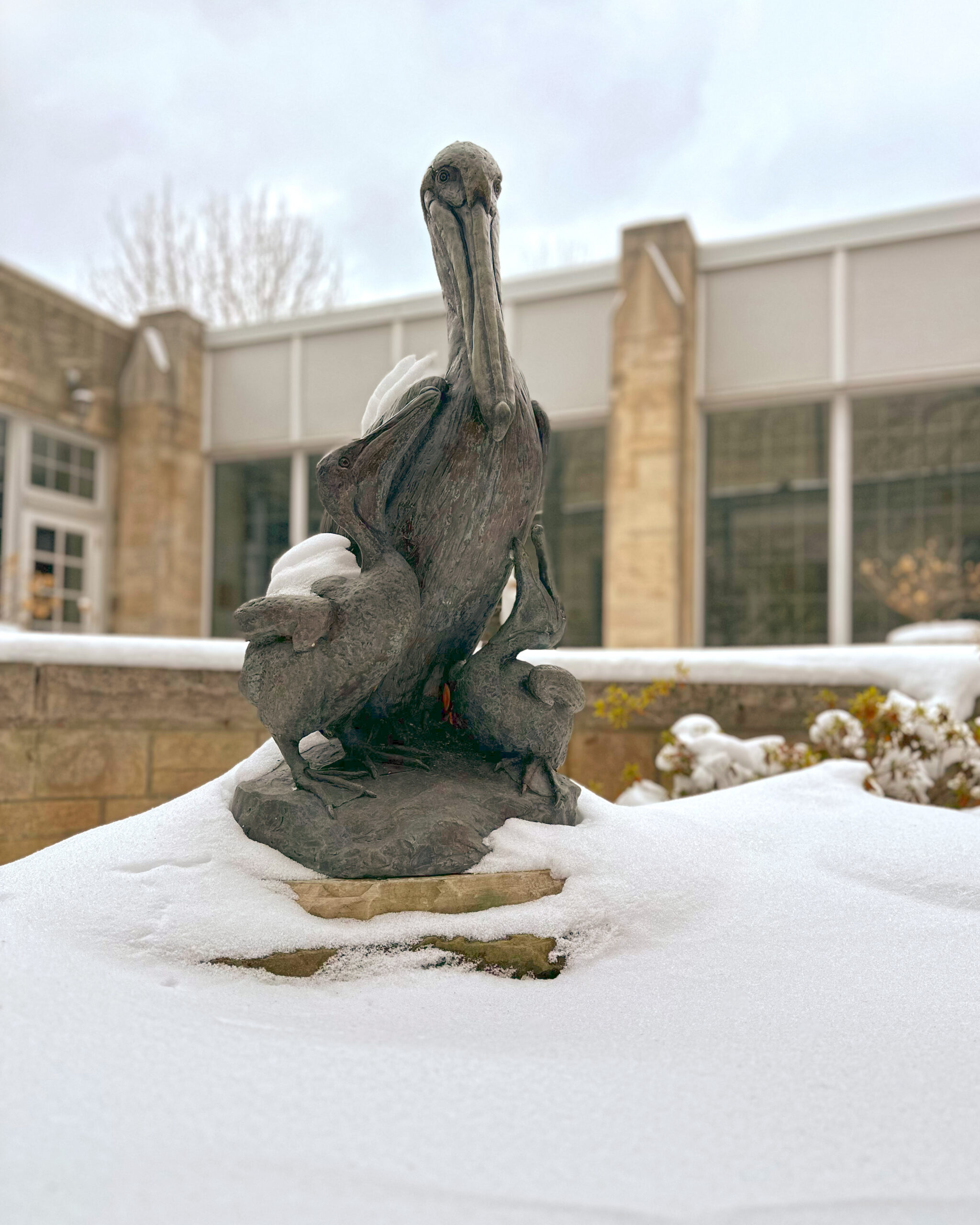
My family’s connection to St. Paul’s runs deep. My grandmother was a parishioner and an artist who lives on as a part of St. Paul’s, both in the pelican sculpture (Courtyard) and the baptismal font adorned with birds. My grandmother and mother served on the Gallery Art Committee. I remember tagging along, helping paint pedestals for sculptures, and walking the Gallery halls. I’d admire all types of creations by local artists. Even then, spirituality and creativity were inseparable in my life.
St. Paul’s was central to my teenage years. In high school, I was deeply involved in the youth group, Drama Dreamers, the youth choir, and served as an acolyte. Sam McDonald, the youth minister at the time, created a space where young people could thrive. His leadership and care were formative, and his example continues to influence how I hope to show up as a clinician today. I can say with confidence that, without Sam’s presence and guidance during that formative time, I would not be where I am today.
Through Drama Dreamers, I found creative expression and community through singing and acting in musicals and Advent Desert Theater. I also served as a peer minister in the Greater Diocese of Ohio, attending conferences and leading small-group discussions. These experiences laid the groundwork for my leadership skills and my understanding of the power of shared reflection, music, and community.
One particularly formative experience came through Open Doors Academy, back when it operated as a single site. Then, Annemarie Grassi (now Annemarie Grassi Amefia) invited the youth to support a student with Down Syndrome, and I volunteered. Working closely with Suzanne was my first up-close experience with neurodivergence and developmental disability. We worked on occupational therapy tasks, routines, and homework, and there were moments when I felt entirely unprepared. That experience profoundly shaped my understanding of patience, care, and the realities of support work.
St. Paul’s holds deep emotional significance for me. My brothers reside there, and that reality further roots my connection to the space. So many people shaped me within these walls—clergy, parishioners, mentors, and peers I am still in touch with today. Those relationships formed the foundation of my adolescence and continue to echo throughout my life.
After high school, I attended the University of Dayton. My academic path was nonlinear, something that later made sense after receiving an ADHD diagnosis. What thrived during college were my leadership and service commitments. Through Servant Leadership housing, Habitat for Humanity, Reach Out (now “Active Minds”), and environmental initiatives like organizing river cleanups, I developed leadership skills and became deeply engaged in mental health–focused service and advocacy.
After graduating, I entered the nonprofit digital marketing field. Over time, repeated performance challenges led me to deeper self-reflection and, eventually, an ADHD diagnosis. That diagnosis helped me understand both my struggles and my strengths, particularly my creativity and lifelong habit of observation, which ultimately led me to art therapy. When I discovered the counseling and art therapy program at Ursuline College, it clicked. Art therapy combined creativity, observation, and human connection; things I had been practicing my entire life.
Today, my graduate research will explore the relationship between ADHD symptoms and frustration through assemblage artmaking as a therapeutic intervention. Frustration is a daily experience for individuals with ADHD and can lead to emotional dysregulation if unaddressed. My study explores whether engaging in assemblage artmaking within a supportive, therapeutic environment can help individuals better identify and work through frustration. There is currently no art therapy literature on this intervention, so this research is positioned to contribute something new and meaningful to the field.
This work reflects my lived experience, my belief in creativity as a healing tool, and the values instilled in me through St. Paul’s service, leadership, compassion, and community. In many ways, this research is an extension of a journey that began at St. Paul’s Church, a place that helped shape who I am and continues to inform the work I do today. I invite you to join me in this important work by sharing this research opportunity with your friends, colleagues, and community. Please watch my video to learn more. Thank you!
Join this research opportunity! Please email Maggie: MDB.research@ursuline.edu
Participants must:
Travel to Ursuline College, 2550 Lander Road, Pepper Pike, Ohio 44124. Recommended to live in Northeast Ohio.
Attend Four Focus Groups:
FG1: Tuesday, March 24, 2026 – 7 – 9 p.m.
FG2: Tuesday, April 7, 2026 – 7 – 8:30 p.m.
FG3: Tuesday, April 21, 2026 – 7 – 8:30 p.m.
FG4: Tuesday, May 5, 2026 – 7 – 9 p.m.
We may be willing to work with someone who needs to miss only one session, either FG2 or FG3, by special approval.
Be 18-89 years old and speak English.
Be willing to engage in an art-making task, with some materials pictured in the video.
Be willing to answer a series of questions in writing. (Dictation accommodations may be made as requested for identified needs)
Be willing to engage in a reflective processing group discussion at the last focus group.
Please email Maggie at: MDB.research@ursuline.edu
This research is IRB approved and will be supervised by Dr. Katherine Jackson, Ph.D., LPAT, ATR-BC, RYT, INHC, professor at Ursuline College.
Recruitment Collaboration with Ryan Mayer ADHD Coaching.